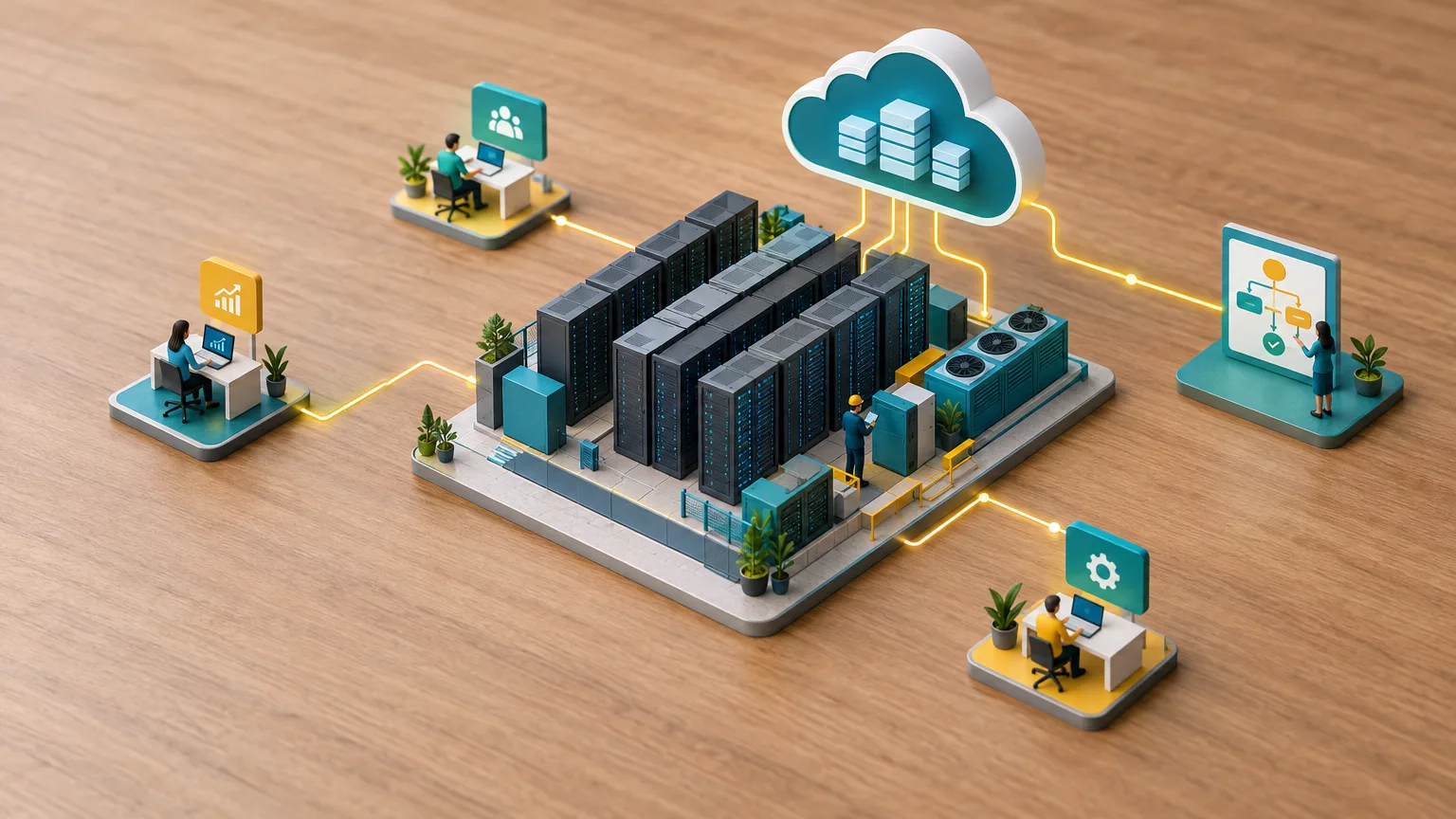
Understanding Technical Debt in PHP Applications
Technical debt in software development represents the implied cost of additional rework caused by choosing an easy or limited solution now instead of using a better approach that would take longer. In PHP applications, this debt often accumulates as legacy code, missing or incomplete automated tests, inconsistent coding styles, fragile architecture, deprecated dependencies, and manually intensive deployment practices. These liabilities impose ongoing maintenance overhead, reduce developer productivity, elevate security risk, and hinder business agility.
For business owners, CTOs, and technical decision-makers, a clear assessment of PHP application technical debt enables strategic planning, risk mitigation, and resource optimization. Such an assessment reveals what liabilities the codebase carries, the ramifications for user experience and security, and the actionable paths forward that create the greatest long-term value without disrupting ongoing development.
Step 1: Inventory Your PHP Application's Technical Debt
The first and foundational stage is inventorying your technical debt systematically. This comprehensive data collection phase should cover multiple facets:
- Code Quality and Complexity: Use static analysis tools such as PHP Mess Detector (PHPMD), PHPStan, and Psalm to pinpoint code smells, cyclomatic complexity hotspots, dead code, inconsistent naming, and areas prone to bugs. Generate metrics like maintainability index, cognitive complexity, and duplication rate. This snapshot highlights maintenance challenges and fragile areas.
- Automated Testing Coverage: Evaluate unit, integration, and functional test coverage using tools such as PHPUnit with coverage reports. Focus on code paths critical for security, payment processing, user authentication, and data integrity. Identify untested code blocks or complex logic lacking tests, which represent high risk during modification.
- Dependency and Framework Status: Audit Composer dependencies with
composer outdatedandcomposer audit. Cross-check for deprecated or abandoned packages, security advisories (do not ignore even minor risk flags), and version skew that complicates upgrades. Also evaluate the PHP version in use—outdated PHP releases lack performance and security enhancements. - Architecture and Design Assessment: Analyze the codebase architecture—monolithic vs modular, separation of concerns, use of design patterns, and adherence to SOLID principles. Identify tight coupling, global state reliance, or lack of interfaces that limit maintainability and extensibility.
- Infrastructure, Deployment, and Operational Practices: Document deployment processes, rollback capabilities, and requirement for manual steps. Detect fragile configurations, environment-specific hard-coded values, and lack of automated CI/CD pipelines that increase risks for downtime or inconsistent releases.
- Performance and Scalability Profile: Profile the application under expected load with tools like Blackfire, New Relic, or Tideways. Pinpoint database query inefficiencies, memory leaks, slow request handlers, and bottlenecks that degrade user experience or limit growth.
- Security Posture: Perform security audits focusing on input validation, data encryption, session management, and authentication mechanisms. Use automated vulnerability scanners combined with manual review, especially for critical functionalities.
- Documentation and Team Practices: Evaluate the quality and currency of code documentation, onboarding materials, and developer guidelines. Assess whether knowledge silos exist and how effectively code reviews and pair programming practices are implemented to catch debt early.
Example: TheAppWizards.com Technical Debt Inventory
During a comprehensive assessment of the Laravel-based platform at TheAppWizards.com, our engineers used PHPStan to scan the codebase, uncovering over 500 code smells, including deprecated function usage and inconsistent error handling practices. PHPUnit coverage reports revealed that critical payment gateway code had less than 30% test coverage, posing significant risks to payment reliability and security.
Composer audits flagged 20 outdated and vulnerable dependencies affecting session management and third-party integrations. Deployment scripts involved several manual steps, with no integrated rollback mechanism. Performance profiling detected slow database queries causing high latency during peak user operations. Furthermore, documentation was found to be outdated, contributing to onboarding delays and inconsistent coding practices.
This granular inventory provided a prioritized map of actionable issues aligned to business impact, technological constraints, and operational realities.
Step 2: Prioritize Technical Debt Fixes by Business Impact and Risk
Technical debt is rarely addressed uniformly. Instead, prioritize remediation according to its impact on business objectives, operational risk, and effort required. Employ a risk-impact framework with these key dimensions:
- Business Impact: How directly does the debt affect revenue, user experience, compliance, or scalability? For example, security flaws in payment modules have a high impact.
- Technical Risk: What is the likelihood the debt leads to outages, data corruption, or developer slowdown? Complex, untested code has higher risk.
- Remediation Effort: Estimate the time, cost, and impact to fix. Complex rewrites or widespread refactoring carry higher cost than incremental improvements.
- Security Severity: Distinguish vulnerabilities with public exploits or compliance implications (e.g., PCI-DSS) that demand immediate attention from general weaknesses.
- Operational Disruption: Consider how remediation might impact uptime or release schedules. Prioritize fixes that minimize negative effects on users or business cycles.
- Scalability Constraints: Highlight debt that limits the ability to scale horizontally or vertically, such as hard-coded resource limits or blocking synchronous operations.
| Category | Business Impact | Technical Risk | Security Severity | Operational Disruption | Remediation Priority | Example Issues |
|---|---|---|---|---|---|---|
| High Impact / High Risk / Critical Security | Directly affects revenue, compliance, or user safety | Probable serious outages or security breaches | Immediate or active exploit risk | High disruption potential; plan phased rollout | Urgent; immediate fix required with risk mitigation plan | Critical payment gateway bugs, SQL injection vulnerabilities, exposed private data leaks |
| High Impact / Moderate Risk / Moderate Security | Improves maintainability and future scalability | Medium chance of failure but impacts agility | Requires upgrade to meet compliance | Medium disruption; can be scheduled | High priority; plan for next sprint or release | Refactoring monolithic services into modular APIs, dependency upgrades with security patches |
| Medium Impact / Low Risk / Low Security | Minor direct business effect | Low chance of failure, possible future risk | Low or no immediate security concern | Low disruption | Medium priority; monitor and address during maintenance | Obsolete libraries with minor security advisories, improving test coverage, code style cleanups |
| Low Impact / Low Risk / Informational | Cosmetic or legacy cleanups | Minimal risk | None | Minimal to no disruption | Low priority; address opportunistically | Code style inconsistencies, outdated comments, minor documentation updates |
Engage stakeholders such as product managers, security teams, and business leads to validate priorities and align debt reduction with company objectives. For example, reducing downtime during Black Friday sales or ensuring PCI compliance can raise specific items’ priority.
Estimating Remediation Costs and Return on Investment
For each prioritized item, estimate:
- Development hours and specialized skills required
- Potential downtime or user impact during fixes
- The likely reduction in bug volume or support tickets
- Improved developer onboarding or feature velocity
- Expected improvements in security posture and compliance adherence
- Long-term maintenance and scalability benefits
These inputs help build a business case for investments in technical debt remediation and inform resource allocation decisions.
Step 3: Implement Incremental Technical Debt Remediation Without Rewrites
Costly full rewrites are a tempting but risky lure. Successful debt management favors incremental, tactical remediation focused on modularity, testing, and modernization.
Incremental Refactoring Strategies
- Isolate and Modularize Components: Encapsulate fragile logic into service classes or APIs. This approach reduces risk by confining changes rather than refactoring massive monoliths.
- Introduce Modern PHP Practices: Use namespaces, strict typing (PHP 8.1+), dependency injection containers, and type declarations to improve clarity and robustness while avoiding behavioral changes.
- Incrementally Expand Test Coverage: Prioritize adding automated unit and integration tests around complex and critical modules. Tests act as safety nets enabling refactors with confidence.
- Manage Dependency Updates Systematically: Upgrade packages one at a time, use semantic versioning constraints, and monitor CI pipeline results to avoid breakages.
- Automate Deployment and Rollbacks: Establish robust CI/CD pipelines with zero-downtime deployments and automated rollback tests to confidently deploy incremental improvements.
- Leverage Strangler Pattern for Legacy Systems: Gradually replace legacy components with modern implementations via coexistence and routing techniques to reduce risk and maintain functionality.
- Improve Documentation Concurrently: Update architecture diagrams, API specs, and developer guides alongside code changes to ensure maintainability and knowledge sharing.
Real-World Example from TheAppWizards.com
At TheAppWizards.com, we implemented a modularization strategy where the payment gateway code was refactored into an independent service class. This isolated the risky, complex payment logic, allowing developers to add unit tests and safely upgrade dependencies related solely to payment operations without destabilizing the whole system.
Simultaneously, automated CI/CD pipelines were built using GitHub Actions to enforce tests and perform staged deployments with automatic rollbacks in case of failure. This incremental approach dramatically reduced the risk generally associated with payment code changes while improving deployment velocity and overall platform resilience.
Additionally, concurrency issues identified in legacy queue implementations were addressed by migrating to Laravel Horizon with Redis-backed queues, which enhanced scalability during traffic surges.
Tools and Best Practices for PHP Technical Debt Assessment and Management
- Static Analysis and Code Metrics: PHPStan (progressive rule levels), PHPMD (code smells), Psalm (type analysis).
- Testing Frameworks: PHPUnit (industry standard), PestPHP (modern syntax, developer friendly).
- Code Quality and Security: SonarQube or Scrutinizer CI integrations for quality gates, Roave Security Advisories for Composer dependencies.
- Dependency Management: Composer audit commands, Renovate bots for automatic dependency upgrades with PRs.
- Performance Profiling: Blackfire.io for production profiling, Xdebug for development profiling, New Relic for Application Performance Monitoring.
- CI/CD Pipelines: GitHub Actions, GitLab CI, Jenkins configured for automated testing, build, deployment, and rollback.
- Code Review Process: Enforce peer code reviews focusing on design, readability, and technical debt awareness.
- Security Scanning Automation: Integrate tools like OWASP ZAP or Snyk into pipelines for continuous vulnerability assessment.
Additional Considerations for Secure and Scalable PHP Applications
When assessing and fixing technical debt, consider security and scalability implications early:
- Security Best Practices: Implement strict input validation, prepared statements for SQL queries, up-to-date encryption libraries, and periodic penetration testing.
- Scalability Planning: Ensure database indexes are optimized, implement caching layers (Redis, Memcached), and design horizontally scalable services leveraging microservices or API gateway patterns.
- Legacy Code Containment: Use strangler patterns to incrementally replace legacy subsystems without full rewrites.
- Documentation: Maintain updated architecture and code documentation to support future maintenance and onboarding.
- Monitoring and Alerting: Establish logging and monitoring for performance, error rates, and security anomalies using tools like ELK stack, Datadog, or Cloud-native solutions.
- Environmental Parity: Ensure development, staging, and production environments are consistent through containerization (Docker) and infrastructure as code (Terraform, Ansible) to reduce deployment issues.
FAQ
Q: How frequently should PHP applications undergo technical debt assessments?
A: Ideally, conduct assessments quarterly or at every major release. Regular checkpoints prevent accumulation of hidden risk and enable proactive management rather than reactive firefighting. Additionally, integrate automated static analysis and security scans into your CI pipeline for continuous monitoring.
Q: When is a full rewrite justified for PHP projects?
A: Only consider rewrites if the underlying technology stack is obsolete (e.g., PHP versions no longer supported), the architecture is fundamentally misaligned with product needs, or security risks are unmanageable. Even then, mitigate risk with incremental migration strategies such as strangler patterns to reduce big-bang risks and preserve business continuity.
Q: How can non-technical stakeholders influence technical debt reduction?
A: By articulating business priorities, compliance mandates, feature timelines, and acceptable risk levels, business owners help technical teams prioritize debt remediation to maximize ROI and minimize disruption. Transparent communication enables balanced decisions aligning technical investments with business goals.
Q: Does unresolved technical debt impact SEO and user engagement?
A: Yes, issues like slow response times, frequent bugs, downtime, and security incidents degrade user experience and increase bounce rates, indirectly harming SEO rankings. For example, longer page load times negatively affect Google rankings, and security breaches erode user trust and retention.
Q: How to balance ongoing feature development with technical debt reduction?
A: Adopt a dual-track approach where a portion of each sprint or release cycle is allocated to technical debt remediation. Using feature flags and incremental refactoring with comprehensive tests allows innovation without sacrificing codebase health. Prioritize debt that directly blocks or slows feature delivery.
Conclusion and Next Steps
Systematic PHP application technical debt assessment is critical for maintaining secure, performant, and maintainable software aligned with business objectives. Begin with a thorough inventory spanning code quality, test coverage, dependencies, architecture, operations, performance, and documentation. Prioritize remediation by business impact, security severity, risk, operational disruption, and cost, then execute incremental refactoring, testing improvements, and modernization without costly rewrites.
The team at TheAppWizards.com exemplifies this approach, demonstrating how disciplined management of technical debt fosters growth and resilience in complex Laravel platforms. By modularizing critical payment logic, enhancing automated testing, and implementing robust CI/CD pipelines, they minimized risk and elevated deployment confidence while preserving ongoing development velocity.
If your organization seeks expert guidance in assessing and managing PHP technical debt or requires modernization solutions compliant with enterprise standards, reach out to professional PHP developers experienced with Laravel ecosystems via our contact page. A tailored technical debt roadmap can transform liabilities into strategic advantages while reducing risks during continued development.